
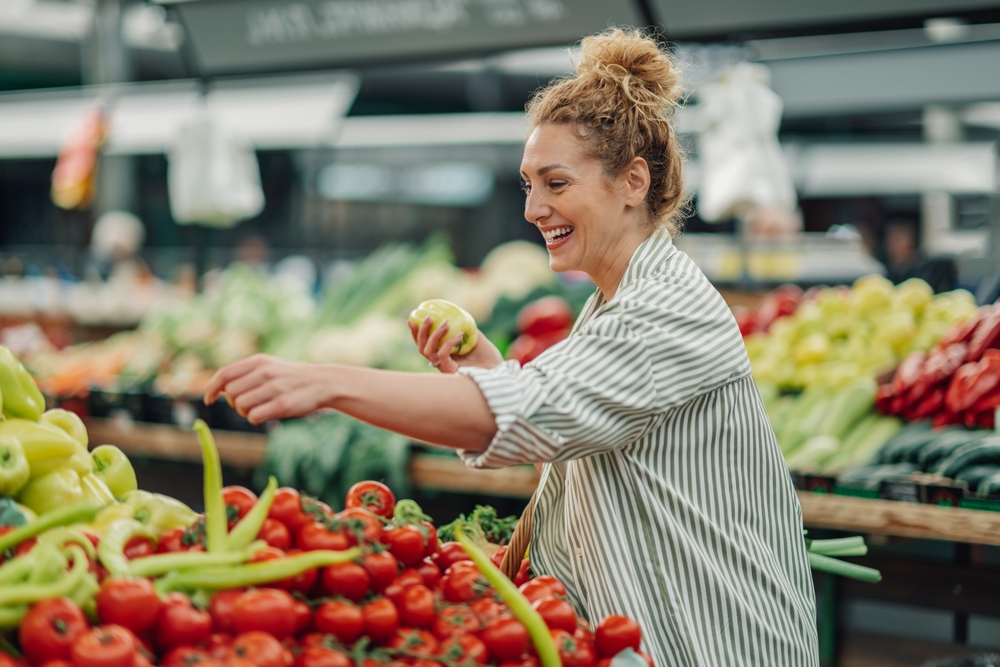
Local markets are vibrant hubs where you can taste, buy, and learn about a destination’s culinary culture all at once. From bustling farmers markets to artisanal craft fairs, markets provide an immersive experience for any foodie traveler.
What to Expect at Local Markets
When you arrive at a local market, be prepared for a sensory feast:
- Fresh produce: Markets are often the best place to find fruits, vegetables, and herbs unique to the region’s climate and soil—whether it’s sun-ripened tomatoes from Mediterranean groves, vibrant tropical fruits in Southeast Asia, or wild herbs foraged from nearby forests. The colors, aromas, and textures tell stories of the land and the seasons.
- Prepared foods and street snacks: Many markets offer ready-to-eat options, perfect for tasting on the spot. From savory pastries and grilled meats to spicy chutneys and sweet desserts, these snacks provide a quick culinary education with every bite. Sampling as you walk lets you savor the local flavors without missing a beat on your itinerary.
- Handcrafted products: Markets often feature cheeses, breads, cured meats, preserves, and spices made by local artisans. These products reflect traditional recipes and techniques handed down through generations, offering tastes and textures you won’t find in supermarkets or chain stores.
- Local specialties: Depending on the region, expect specialties like briny olives in Mediterranean markets, exotic tropical fruits and sticky rice treats in Asia, or rich smoked fish and rye breads in Scandinavian stalls. These unique products are an essential part of the local food heritage and make excellent souvenirs or gifts.
What to Buy
Markets are treasure troves for food lovers looking to bring a taste of their travels home. Here are some top picks for what to buy:
- Packaged local treats: Jams, chutneys, honey, sauces, and spice blends are all easy to pack and carry. These products let you recreate the flavors of your trip long after you return home and often come in beautifully crafted packaging that makes them ideal gifts.
- Handmade cooking tools or utensils: From hand-carved wooden spoons and bowls to woven baskets and traditional pottery, many markets sell kitchenware that reflects local craftsmanship. These items not only enhance your cooking but serve as meaningful reminders of the places you’ve visited.
- Unique snacks for the road: Nuts, dried fruits, spiced crackers, or savory bites are perfect for keeping your energy up during travel. Often freshly made, these snacks offer a healthier, tastier alternative to packaged convenience foods.
What to Try
Markets are fantastic for discovering new foods you might not find elsewhere. Don’t miss these opportunities:
- Seasonal specialties: Many markets showcase ingredients or dishes only available at certain times of year, such as wild mushrooms in autumn, fresh spring greens, or holiday treats. Trying these seasonal items connects you with the natural rhythm of the region.
- Freshly squeezed juices and herbal teas: Markets often have stalls selling refreshing drinks made from local fruits, flowers, and herbs. These beverages provide a cool, flavorful way to hydrate while enjoying the market atmosphere.
- Baked goods: Regional breads, pastries, and cakes are often made with recipes passed down through generations. Sampling these freshly baked delights is a perfect way to taste the local terroir.
- Traditional street foods: From savory dumplings and grilled skewers to stuffed flatbreads and sweet confections, the market’s street food vendors serve up dishes that tell the story of a place’s cultural and culinary heritage.
Market Etiquette Tips
To get the most out of your market experience—and show respect to vendors and local customs—keep these etiquette tips in mind:
- Bring cash in local currency: Many vendors do not accept credit cards or digital payments, so having the correct currency on hand will make transactions smoother. Small bills are especially appreciated.
- Don’t hesitate to ask questions or request samples: Vendors usually love sharing stories about their products and are happy to offer tastings. Engaging with them enhances your experience and may lead to insider tips on what’s best or how to prepare a dish.
- Respect vendor practices and packaging: Markets are often environmentally conscious. Bring your own reusable bags and containers where possible, and follow any rules vendors have regarding packaging or waste disposal.
- Be patient and polite: Markets can be busy and lively places. A friendly attitude and patience go a long way in building goodwill and enjoying your visit fully.